Home
Products
🍗 Darjeeling Smoked 🌿 Sikkim Herbed 🫙 Mustard Chicken 🌶️ Timur Chilli 🍋 Lemon Herb 🎁 Hills Gift Box
Explore
Our Story From the Hills Contact 💬 Order on WhatsApp
📖 From the Hills

Stories Worth
Tasting.

Recipes, culture, ingredients, and the lives behind every jar. Because a great pickle is never just a pickle.

Darjeeling Makers The Timur Pepper Diaries Smoke & Spice Women of Sikkim Hill Kitchen Chronicles The Art of Pickling Darjeeling Makers The Timur Pepper Diaries Smoke & Spice Women of Sikkim Hill Kitchen Chronicles The Art of Pickling

A Morning in Darjeeling — How a Jar Begins

The mist hadn't lifted when she woke up. By the time it had, the first batch was already simmering. This is how Snackyak begins its day — in a kitchen that smells of oak smoke and mountain spice, long before anyone in the city has had their first coffee.

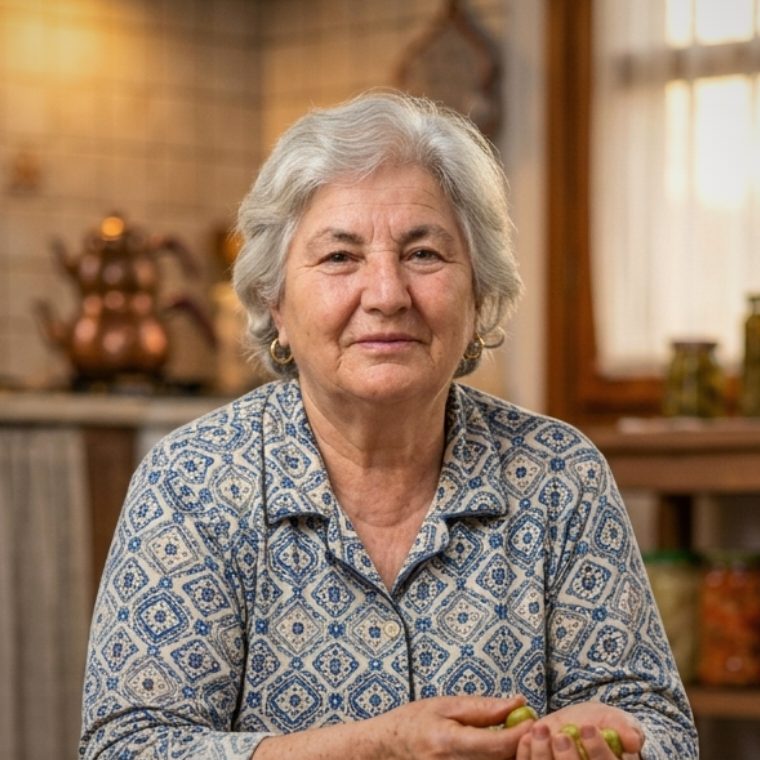
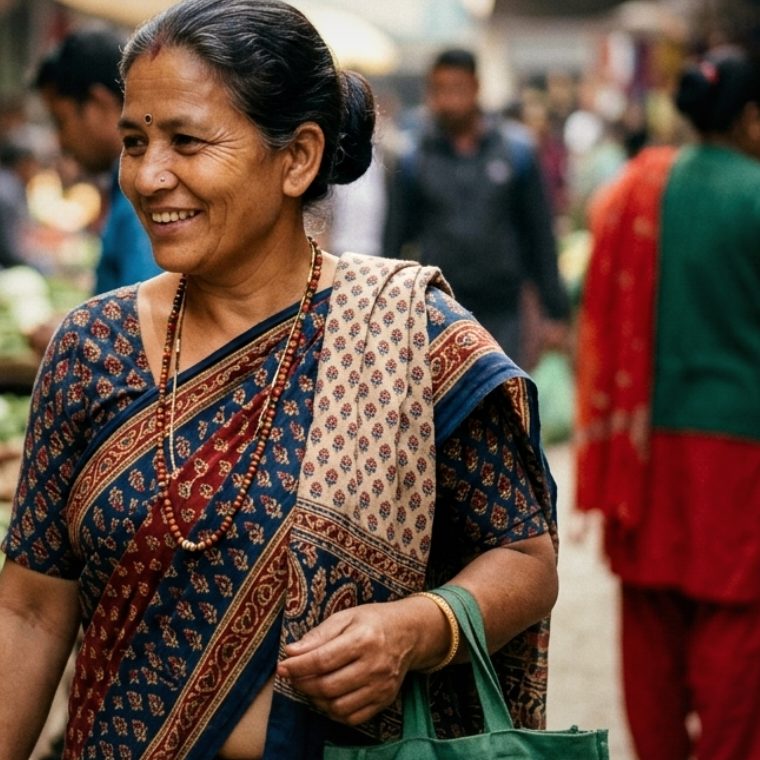
Mita Rai has been making pickles in her hillside home in Darjeeling for over two decades. She doesn't follow a written recipe. The measurements live in her hands — how much salt feels right against her palm, how long to hold the heat, when the smoke has reached the right depth.

"The hills teach you everything. You just have to be willing to learn slowly."

Each morning, Mita starts by selecting her chicken — always fresh, always local. The pieces are marinated overnight in a blend of spices that she's refined over years: turmeric from Sikkim, dried Dalle chillies from a vendor she's known since she was a girl, and a mustard oil so cold-pressed it smells like rain.

The Smoke Is Everything

The smoking process is what separates Mita's pickle from anything you'll find in a supermarket. Oak wood, collected from the forests above the town, burns slow and steady in a clay oven she built herself. The chicken rests above the smoke for hours — absorbing, transforming, becoming something entirely different from what it started as.

It smells, she says, "like the forest after rain — but warm." We'd add: it tastes like that too.

✦ ✦ ✦

When we first tasted Mita's pickle, we knew immediately. This wasn't a product. This was a story — one that deserved to travel far beyond the hills it was made in. That's why Snackyak exists. Not to change the recipe. Not to scale it up in a factory. Just to carry it, with care, to your table.

Every jar of Darjeeling Smoked Chicken Pickle you order is made by Mita, packed by her hands, and shipped from her village. It doesn't get more direct — or more honest — than that.

More Stories

🌶️
What Makes Timur Pepper the King of Hill Spices
They call it the Sichuan pepper of the Himalayas. But those who know it say that's not quite right. Timur is its own thing — numbing, citrusy, and completely addictive.
Read the story →
🫙
Why We Never Add Preservatives (And How We Keep It Fresh)
The question we get asked most: how do you keep the pickle fresh without preservatives? The answer is simpler than you think, and it comes from the hills themselves.
Read the story →
🏔️
The Women Who Changed How We Think About Pickle
Behind every jar is a woman who chose to bet on her own craft. This is a celebration of the makers, the mothers, and the mentors who built Snackyak with us.
Read the story →
🌿
Dalle Chilli: Sikkim's Fiercest Secret
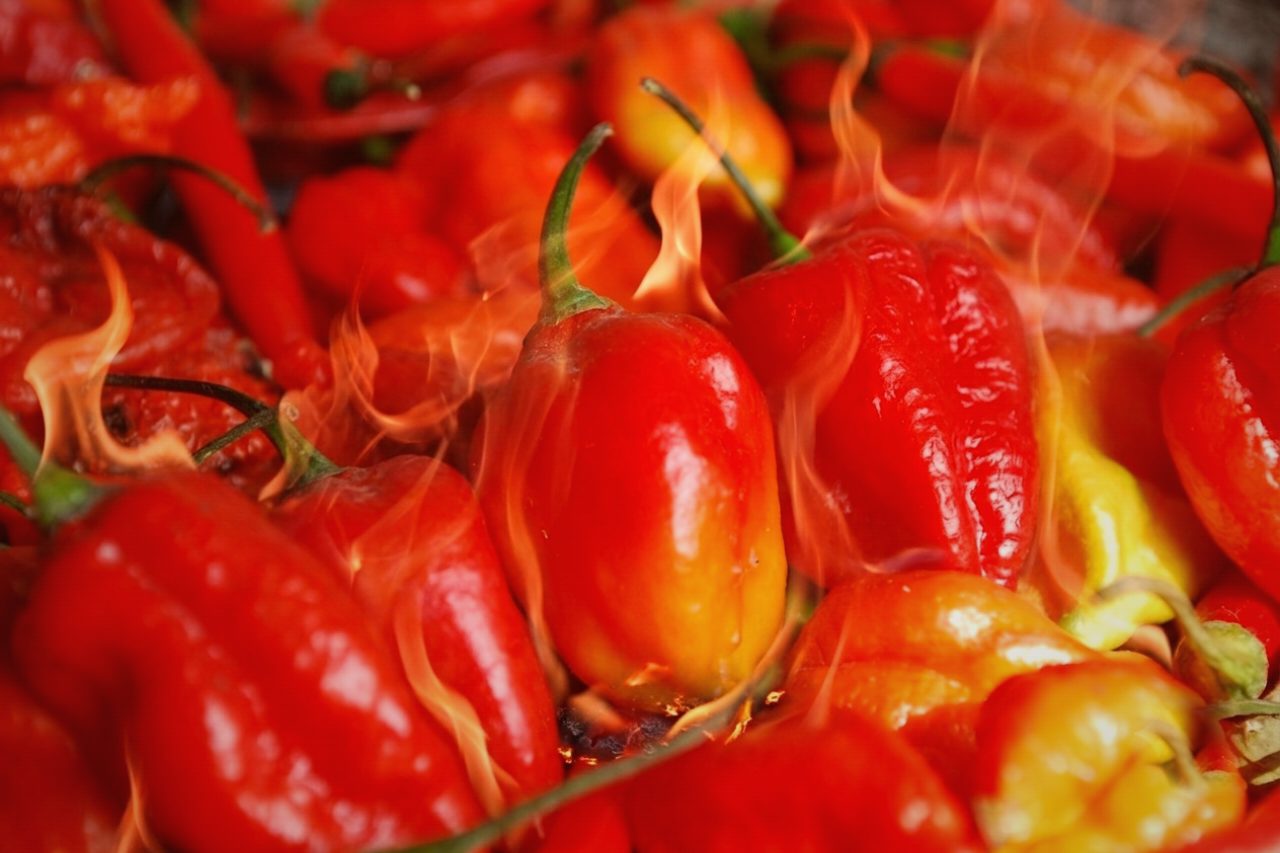
Round, bright red, and terrifyingly hot — the Dalle Khursani is Sikkim's most prized chilli. Here's everything you need to know about the pepper that defines our hottest pickles.
Read the story →
🔥
The Art of Slow-Smoking — A Lost Craft Being Revived
Slow-smoking meat is older than written history. In Darjeeling, it never disappeared. Here's how our makers carry forward a tradition that most of India has forgotten.
Read the story →
🍚
5 Ways to Eat Snackyak Pickle (Beyond Just with Rice)
Of course it goes with rice. But have you tried it as a pizza topping? A pasta sauce? On a grilled cheese? We tested them all so you don't have to.
Read the story →

What Makes Timur Pepper the King of Hill Spices

They call it the Sichuan pepper of the Himalayas. But those who know it say that's not quite right. Timur is its own thing — numbing, citrusy, and completely addictive. And in the kitchens of Sikkim and parts of Nepal, it's been king for centuries.

Botanically, timur (Zanthoxylum armatum) is related to Sichuan pepper. But the altitude and soil of the Himalayas give it a flavour profile that's distinctly its own — sharper citrus notes, a more complex heat, and a numbing sensation that builds slowly rather than hitting all at once.

"Timur doesn't shout. It whispers — and then it stays with you for hours."

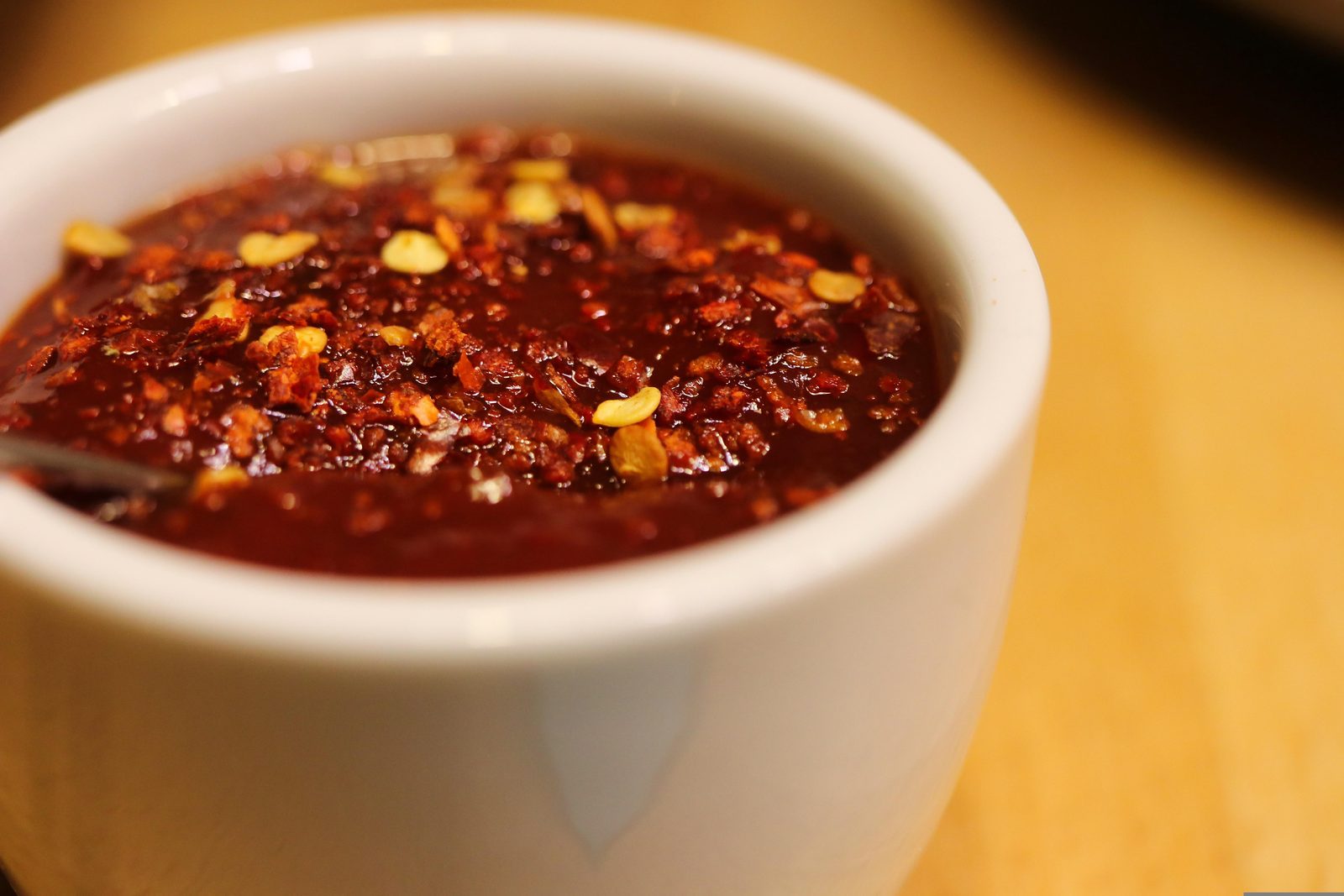
In our Timur Chilli Chicken Pickle, timur meets fire-roasted Dalle chillies in what might be the most intense flavour pairing we've ever worked with. The result? A pickle that starts smoky, builds to a fierce heat, and finishes with that unmistakable citrus-numb that only timur can deliver.

It's not for everyone. But if you think you can handle it, we'd love to prove you right.

Why We Never Add Preservatives

The question we get asked most: how do you keep the pickle fresh without preservatives? The answer is simpler than you think, and it comes from the hills themselves.

Natural pickling is one of humanity's oldest food preservation techniques. Salt, oil, acid (from vinegar or citrus), and controlled fermentation are all that's needed to keep food safe and delicious for months — without a single chemical additive.

Salt Does the Heavy Lifting

Salt creates an inhospitable environment for bacteria while drawing moisture out of the meat. In our pickles, we use rock salt from natural sources — never table salt, never iodised. The difference in flavour is significant.

Oil Creates the Seal

Cold-pressed mustard oil acts as a natural seal over the pickle, preventing air from reaching the meat. Air is what causes spoilage. The oil removes air. Simple as that.

"The hills figured this out thousands of years before chemistry class was invented."

Our pickles, unopened, last up to 6 months from packing date. Once opened, refrigerate and consume within 3–4 weeks. No preservatives — but no shortcuts either. Just the right ingredients, done right.

Get Stories from
the Hills.

New articles, new products, and dispatches from the makers — straight to your WhatsApp.

💬 Subscribe via WhatsApp →