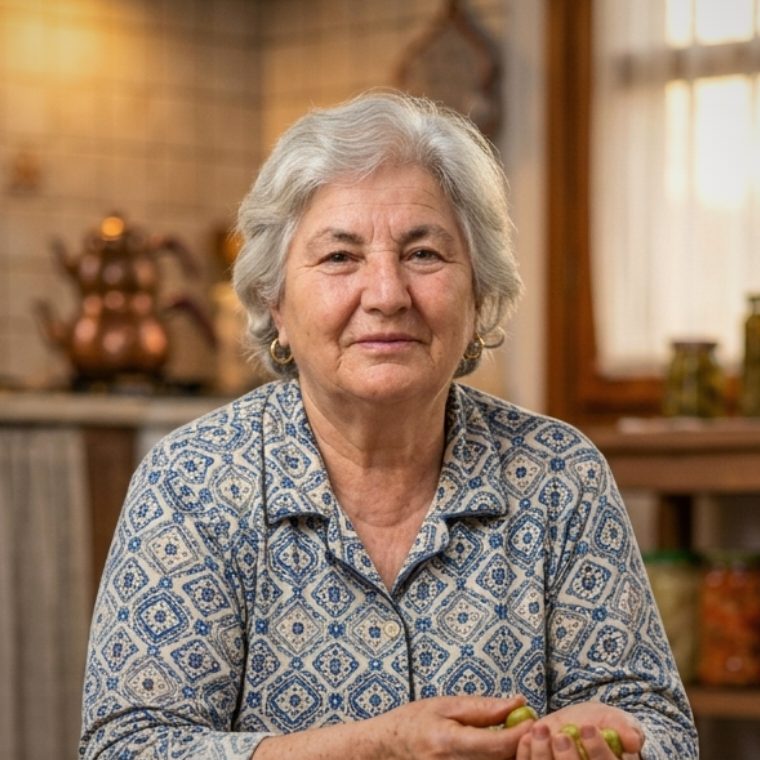
You smell Mita Rai’s kitchen before you reach it. Climb the last stretch of path above the tea gardens and the air turns woody — oak smoke, slow and sweet, threading out of a small hillside home in Darjeeling where she has been smoking chicken for more than twenty years.
It started, as the best food often does, without a plan. “I made it for my family,” she says. “My mother made it for hers.” The recipe was never written down. It lived in her hands — in the feel of the fire, the colour of the spice, the moment the meat is ready to come off the smoke. That instinct is the part no factory can buy.
The technique
What makes a Darjeeling smoked pickle distinct is patience layered on patience. First the smoke: oak wood, kept low and slow, so the flavour penetrates rather than chars. Rush the fire and you get bitterness and a hard crust. Mita keeps hers gentle for hours, turning the meat so it takes the smoke evenly.
Then the spices — whole, never pre-ground. Cumin, coriander and dried chilli are toasted and crushed fresh on the day, because a spice loses its top notes within hours of grinding. Finally, cold-pressed mustard oil, which carries the smoke and spice into every fibre and seals the jar against spoilage. Salt and oil preserve; the smoke does the talking.
“You cannot hurry smoke,” she says. “The fire knows the time better than you do.”
Why it tastes of Darjeeling
Mita’s pickle could not be made on the plains, and not only because of the oak. The cool hill air slows everything — the smoking, the resting, the way the flavours settle. The same altitude that gives Darjeeling tea its character gives her pickle its depth. Place is an ingredient here, not a postcode.
The work behind the jar
For Mita, the pickle is also independence. Like the other women we partner with across Darjeeling and Sikkim, she earns well above the local market rate — a deliberate choice, because the skill is rare and the time it takes is real. A jar of her smoked pickle isn’t cheap to make properly, and it isn’t meant to be. It carries twenty years of practice and a fair day’s pay for it.
That’s the quiet promise in every jar: when you taste the smoke, you’re tasting her hands, her fire, her two decades of knowing exactly when to stop. You can read more about how we work with hill makers on our about page, or meet Pema Sherpa, who forages before every batch.
To taste Mita’s work, find the smoked pickle in the collection.