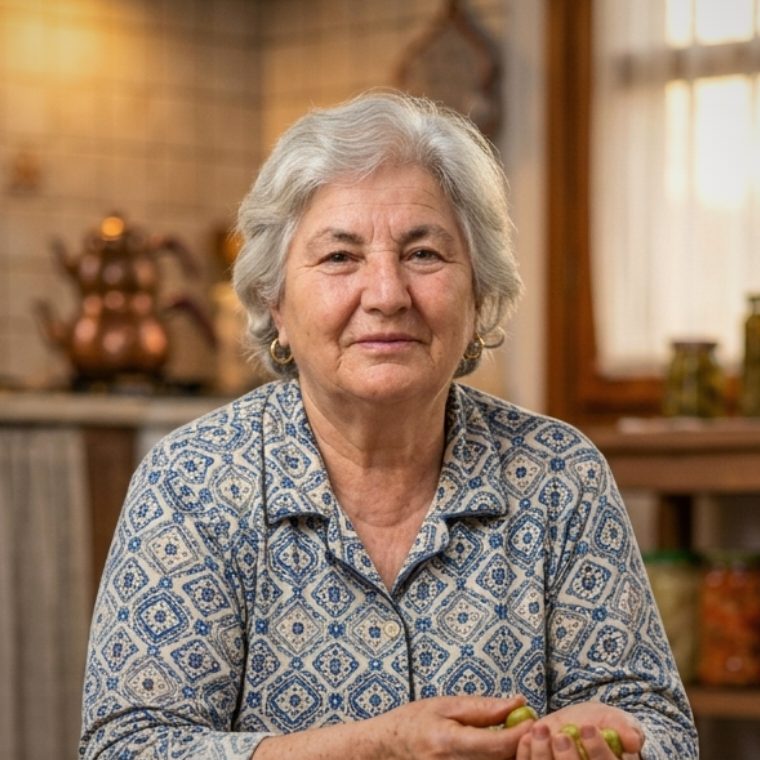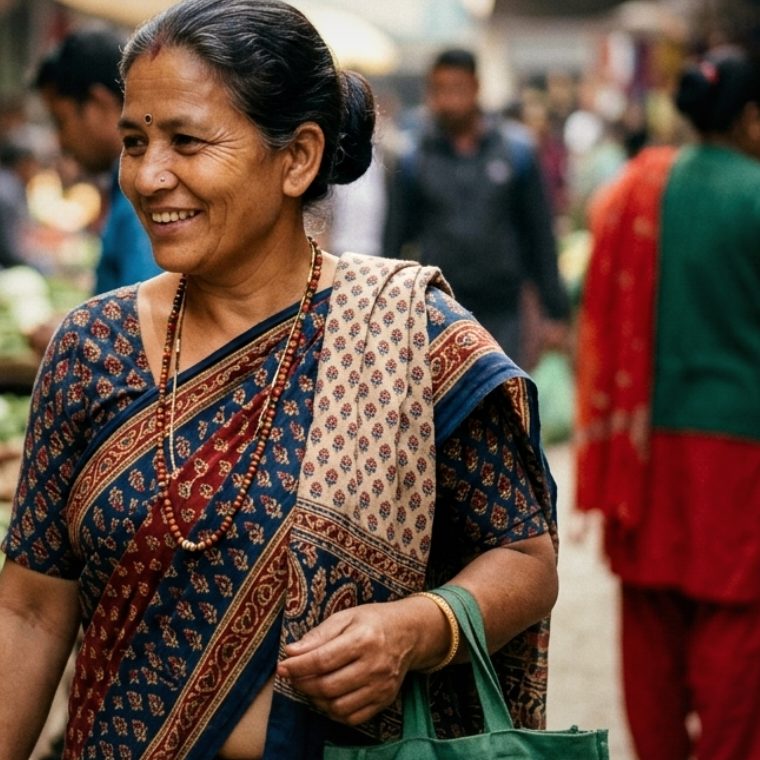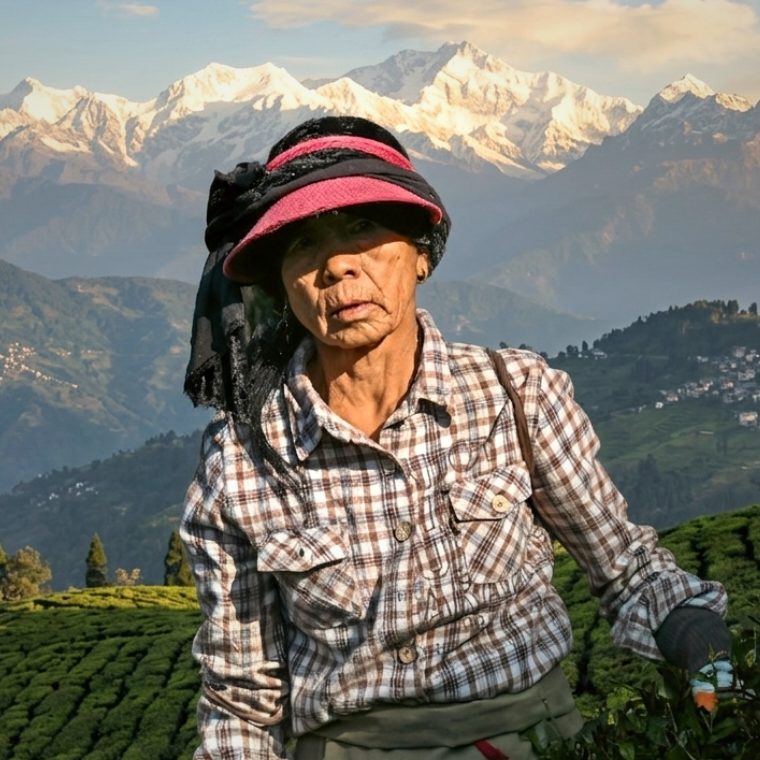
Most pickle recipes begin in a kitchen. Pema Sherpa’s begins on a hillside, at first light, with a cloth bag and a lifetime of knowing exactly where to look. Before every batch of herbed pickle, she walks the Sikkim forest to gather what the season is offering.
“The forest changes every week,” she says. “What’s good in April is finished by June. You have to know it like a neighbour.” That knowledge — which leaf, which root, which wild green is at its peak and which is past it — is not in any book. It was handed to her, walk by walk, the way it was handed to the women before her.
Why foraged tastes different
Wild herbs carry a flavour cultivated ones can’t fake. Grown in dense forest, competing for light and nutrients, they develop more of the aromatic compounds that make them pungent, bitter, bright. A cultivated herb is bred for yield and uniformity; a foraged one is shaped entirely by where it stood. You taste the difference immediately — a green, resinous sharpness that feels alive.
Sikkim is one of the most biodiverse corners of the Himalayas, and Pema’s foraging draws on that richness without depleting it. She takes only what is plentiful, never strips a patch bare, and leaves roots to regrow. The forest is her pantry, and she tends it like one.
“If you take everything this year, there is nothing to walk to next year. The hill feeds you only if you feed it back.”
From forest to jar
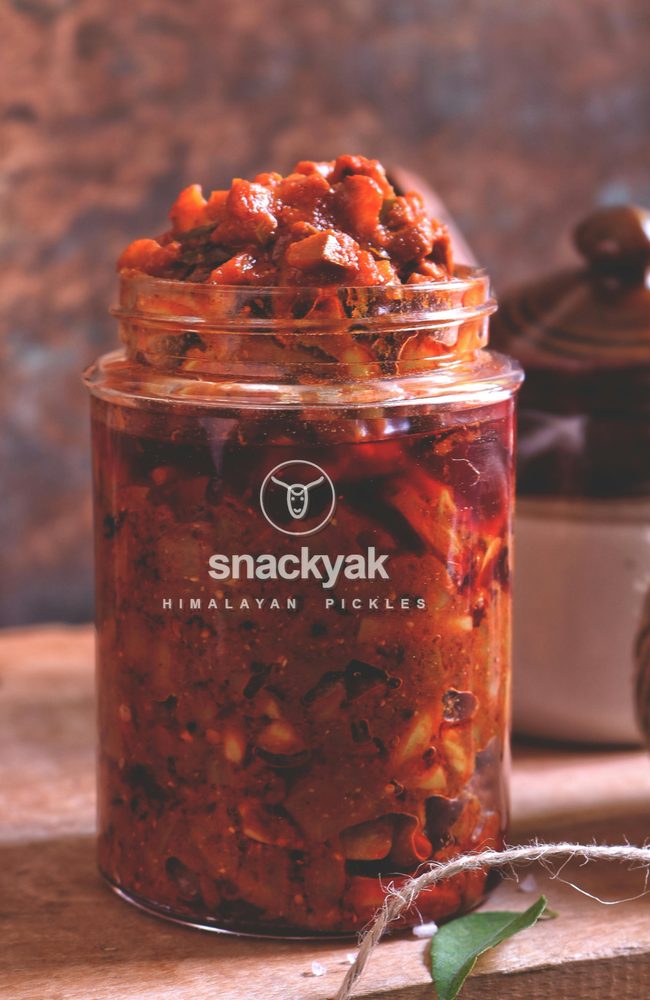
Back in her kitchen, the herbs are cleaned and used fresh — within hours, before their oils fade. They’re salted, spiced and bound with cold-pressed mustard oil, sometimes alongside fermented bamboo shoot for depth. Because the foraging changes with the season, no two batches are exactly alike. That’s not a flaw to engineer out; it’s the signature of real food.
A living tradition
Foraging knowledge like Pema’s is quietly disappearing as younger generations move to cities. By building her work into something that earns a fair, dependable income, the tradition gets a reason to stay alive — and a new generation gets a reason to learn the paths. Every jar is a small wager that this knowledge is worth keeping.
Open one and you really do taste the walk: the damp, the green, the forest floor at dawn. Meet more of the people behind the jars — like Mita Rai and her oak smoke — or browse the collection.